Projects the team has worked on
Team members worked on the projects below at intralogistics companies in China before joining EMMANUEL. They show the type and size of systems the team has experience with; client names, contract values and years are not published.
Case 1: Foreign-owned injection-moulding plant, logistics for a new multi-storey warehouse
Key figures
| Pallet store | 5 aisles, about 6,300 pallet locations, single-deep and double-deep mixed |
|---|---|
| Pallet stacker cranes | 5 (single-deep and double-deep), unit load about 1–1.5 t, lift height up to about 12 m |
| Miniload | About 4,000 bin locations, 2 double-deep miniload cranes, 50 kg per bin |
| Buffer | About 370 locations, 1 multi-level shuttle vehicle (MSV) |
| Design capacity | About 250 pallets/h and about 140 bins/h (FEM 9.851, 85% efficiency) |
| Requirement | Peak about 160 pallets/h in total; dozens of injection-moulding machines and several dozen transfer points in the workshop |
| Software | WMS + WCS, interfaced with the client's ERP and MES |
| AGVs | Workshop delivery AGVs as an option, to be trialled before the type was fixed |
Engineering trade-offs
- An early layout had just over 5,700 pallet locations, short of the 6,000 required, and its capacity for re-palletising finished goods was also below the requirement. The report stated the gap as it was and offered two re-palletising options.
- The first formal proposal included a palletising robot, an overhead case conveyor and more than ten AGVs: more ancillary equipment than the job needed. Layouts A, B and C were then compared side by side; the overhead line and the palletising were dropped, and workshop delivery changed from bins on top-module AGVs to pallets on pallet-truck AGVs.
- In the final design the bins are stored short side first and the miniload became double-deep; the MSV stores and retrieves the buffer automatically; an outdoor steel link bridge connects the new warehouse to the existing workshop.
- The sprinkler mains run in the gaps between the aisles; the two lifts back each other up.
- The contract was split into a main contract and optional equipment. AGVs, pallets, totes and the steel bridge were options, so the client could compare prices and decide on each one.
One lesson
Do not load the first formal offer with every possible extra. Price the main system and the options separately, so that when things change later the client can see exactly how the price moves. Where a target is not met, say so first, and say it together with the fix.
Case 2: Pharmaceutical distribution centre (to China's GSP requirements)
Key figures
| Layout | Two floors: cool store and cold store on the ground floor, full-case AS/RS on the upper floor |
|---|---|
| AS/RS | About 2,300 pallet locations, 1,000 kg unit load |
| Stacker cranes | 4 curve-going stacker cranes serving 8 aisles |
| Infeed and outfeed | Infeed and outfeed lines on both levels, with a reciprocating lift between them |
| Picking | Piece-picking line, pick-to-light, checking and packing |
| Temperature zones | Cool zone 0–20 °C; cold store 2–10 °C |
| Software | WMS + WCS + RF handheld terminals |
Engineering trade-offs
There were many aisles and little traffic in each, so curve-going stacker cranes were chosen: one crane serves two aisles, which halves the number of cranes. The price is lower capacity per crane, calculated at about 30 pallets/h at the time, which suits a low-frequency store with many aisles.
On GSP: the cool store must be at least 40% of the area; the cold store needs two or more refrigeration units, one running and one on standby. Projects of this kind often start with a pharmaceutical design institute and the drug regulator.
One lesson
Technical documents for the client are checked line by line against the client's requirements by the person responsible before they go out. Clients who visit the factory look at how the shop floor is run, so it has to be ready to be seen at any time.
Case 3: Film-materials plant, AS/RS with forklift AGVs feeding the production line
Key figures
| Unit load | Large raw-material rolls on pallets, about 1.7 m × 0.9 m, up to 500 kg |
|---|---|
| Site | An extension built onto an existing factory building; long and narrow |
| Racking | 1 aisle, double-deep, about 290 locations |
| Stacker crane | 1 twin-mast, double-deep stacker crane |
| AGVs | 2 laser-navigated forklift AGVs with a motor-driven docking unit that loads the unwinders |
| Capacity | At 85% efficiency, about 60 pallets/h in and about 43 pallets/h out |
Engineering trade-offs
Before the award, the team proposed a leaner scope on its own initiative: locations from 336 to 290, a lower stacker crane, AGVs from 3 to 2. The docking unit changed from pneumatic to motor-driven, the guard fencing was dropped because the area is fully enclosed, and the missing conveyor connections were added. The total price stayed about the same, the solution made more sense, and the contract was signed.
One lesson
The early budget only covered a minimum configuration that could work. It took four rounds of discussion to pin down the requirements before the price became stable.
Case 4: Foreign-owned food plant, more locations in an existing AS/RS without changing the building
Key figures
| Goal | 50% more locations without changing the building, from 264 to 396; storage height limited by the sprinkler mains and the roof beams |
|---|---|
| Proposed solution | Racking raised from 2 to 3 levels |
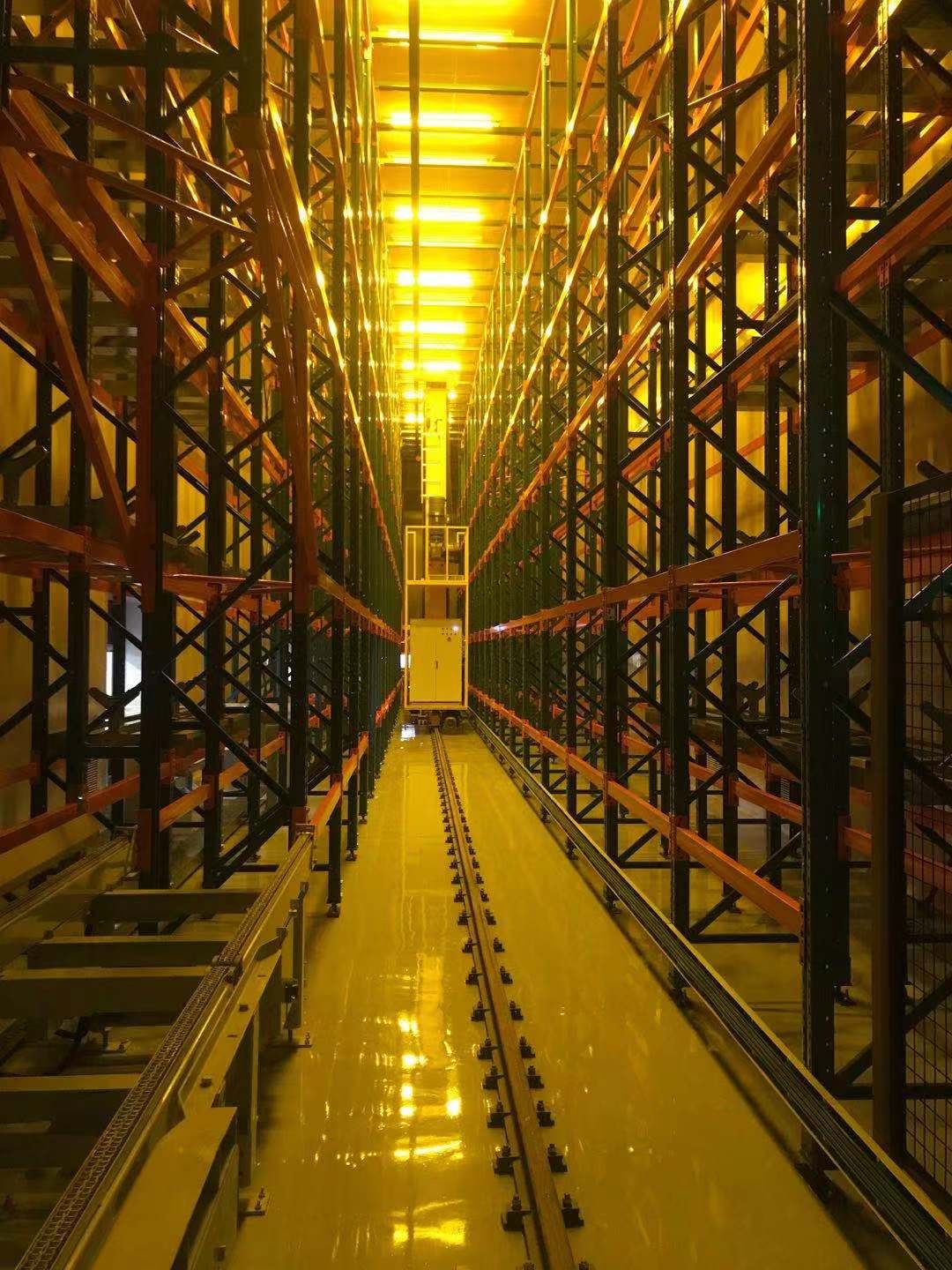
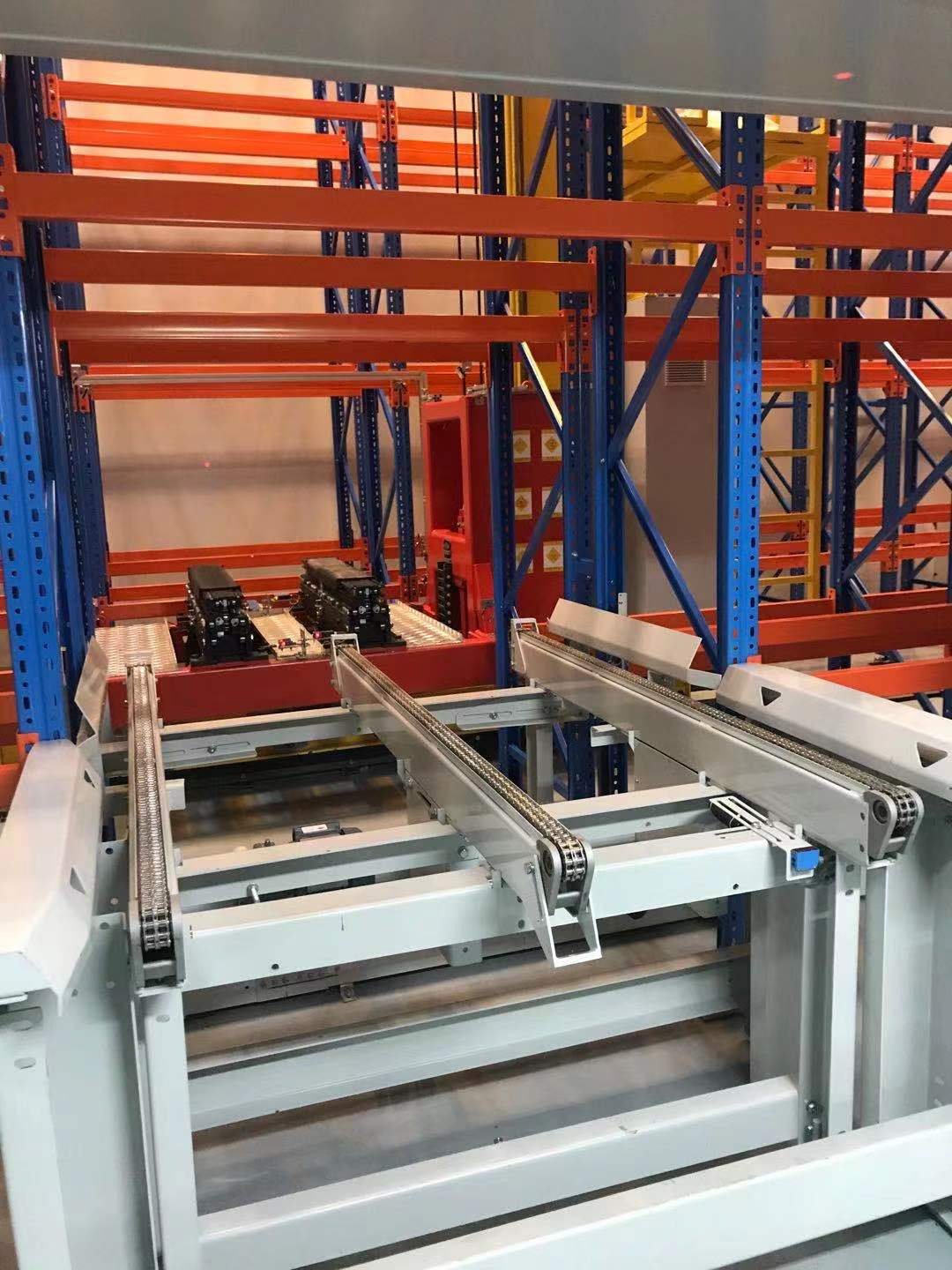
| Stacker cranes | The 2 old cranes scrapped; 2 new single-deep cranes with roller conveyors on the carriage |
| Capacity | Required 34 pallets/h in and 34 pallets/h out; design capacity 46 pallets/h |
| Operation | 24/7, in a temperature- and humidity-controlled hall |
| Client standards | Safety PLC and safety drives, Profinet, safety circuits to Cat. 3 PL d (third-party assessment accepted by the client), stainless-steel control cabinets, hygienic design standards for food, a safety checklist |
| Software | Database moved to a server in the server room and linked to the dispatch system of the delivery AGVs; WMS/WCS upgrade |
| Site window | 4 weeks for installation and commissioning on site |
Engineering trade-offs
A lower first level, smaller gaps between levels and one more level of racking, with lower new stacker cranes, so the sprinkler pipes could stay where they were. In the second round of pricing the crane body changed from stainless to carbon steel (the rollers stayed stainless) and the controls became a separate line item. The total came down and the contract was won.
One lesson
Foreign-owned food companies have many standard documents, with rules for drawing numbers, labels, safety checklists and control hardware. Check them one by one before pricing, and clean out the technical-bid template before each use.
Other projects
- Foreign-owned food plant: a WMS for the raw-material warehouse and a pilot with 1 forklift AGV (1,000 kg capacity), about 9 pallets/h. An FMEA meeting was held before the pilot; wider use was to follow only once the pilot had proved itself.
- Heat-treatment plant: about 800 double-deep pallet locations, 1 twin-mast double-deep stacker crane, with slave pallets.
- Supermarket warehouse for a system integrator (equipment subcontract): about 620 double-deep pallet locations, 2 double-deep stacker cranes, no conveyors.
- Environmental treatment company: a small AS/RS with a few dozen locations and 1 single-mast stacker crane, docking with AGV fixtures.
- Apparel retail distribution centre: conveyor lines, and maintenance of an existing sorter.
- Logistics warehouse of a telecoms company: heavy-duty beam racking, won in a public tender, 2,000 kg per level.
- Drive-in racking warehouse: about 420 pallet positions.
- Nationwide express courier company: a framework contract for standard racking.
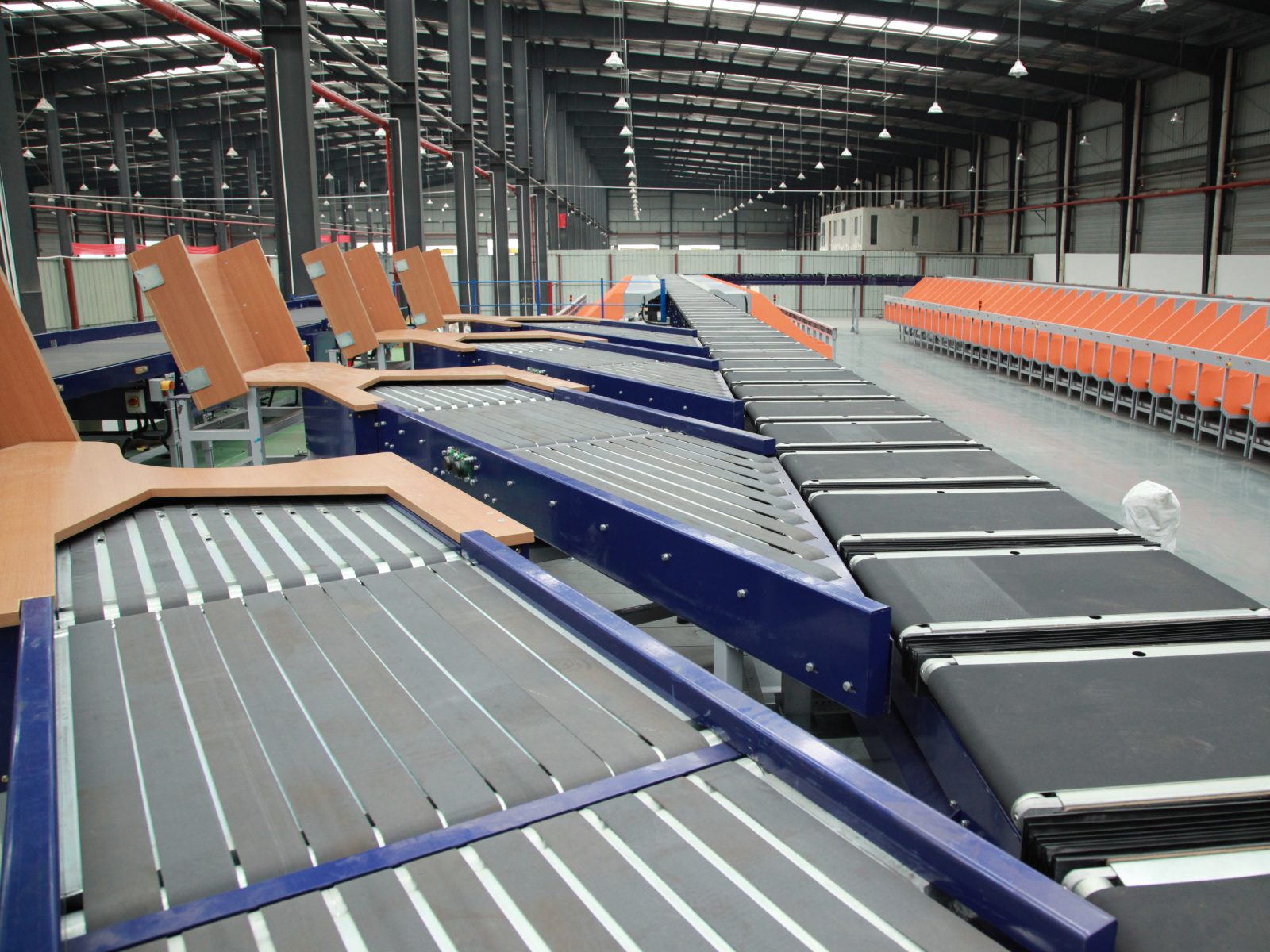
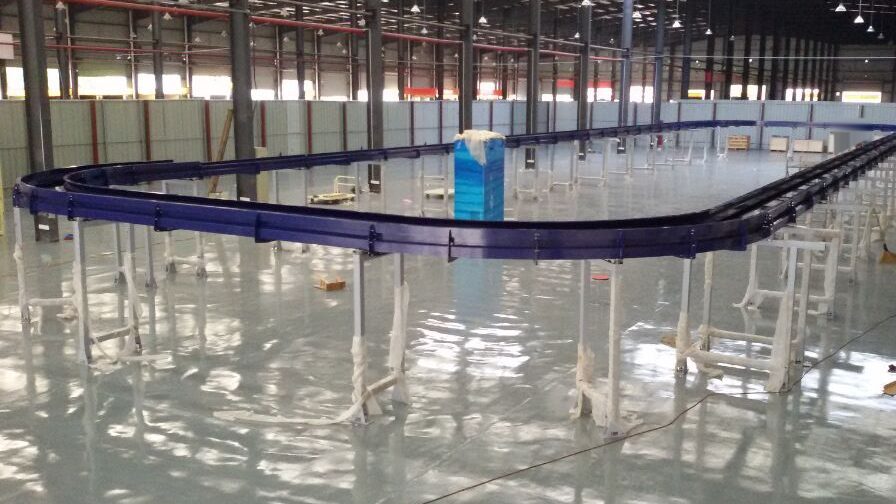
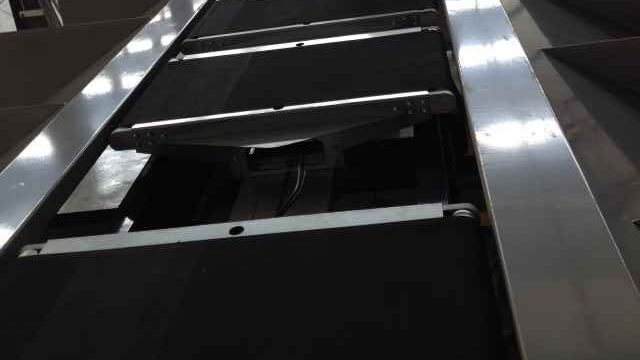
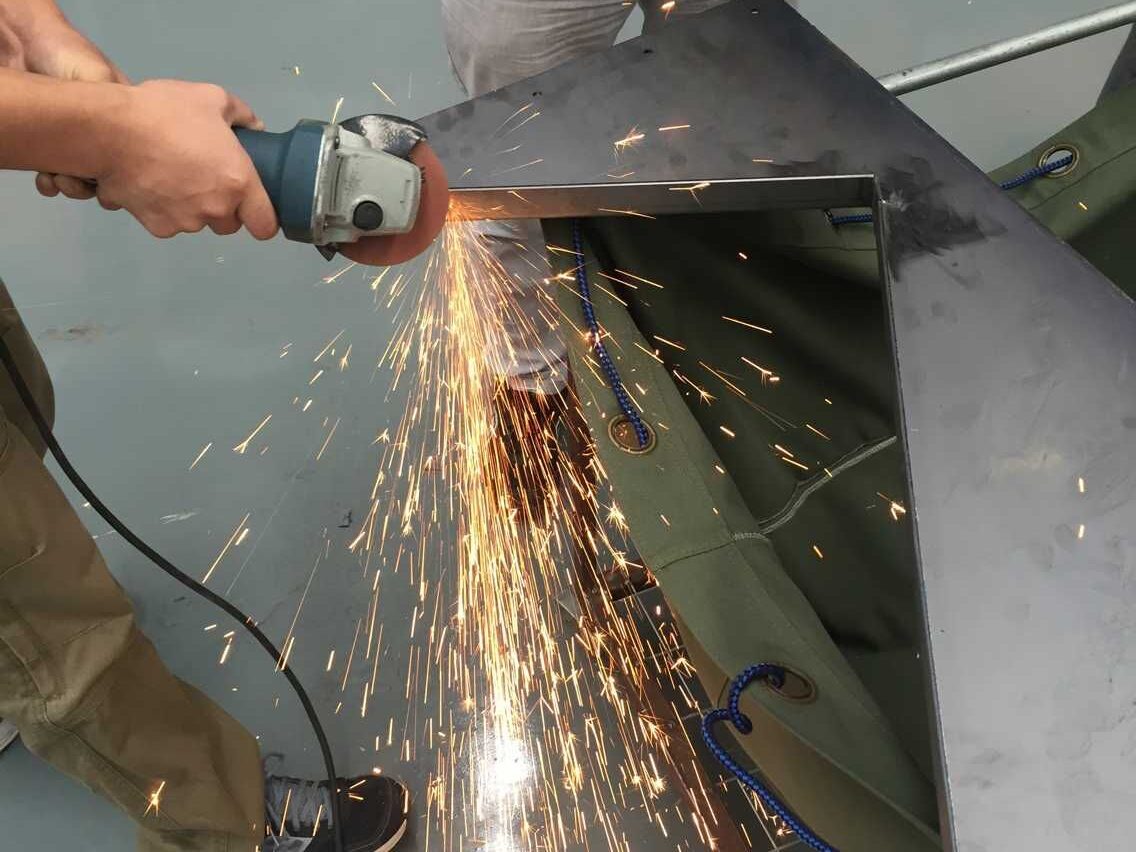
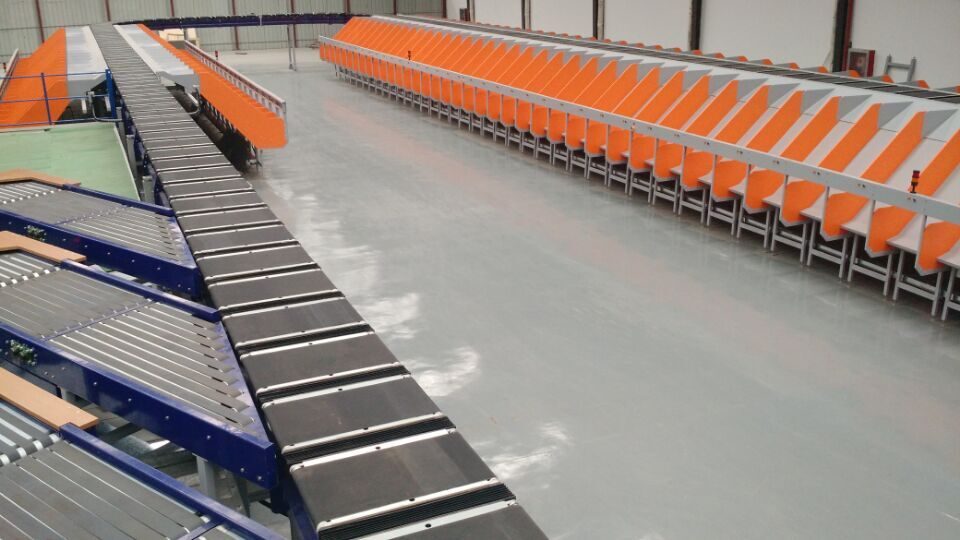
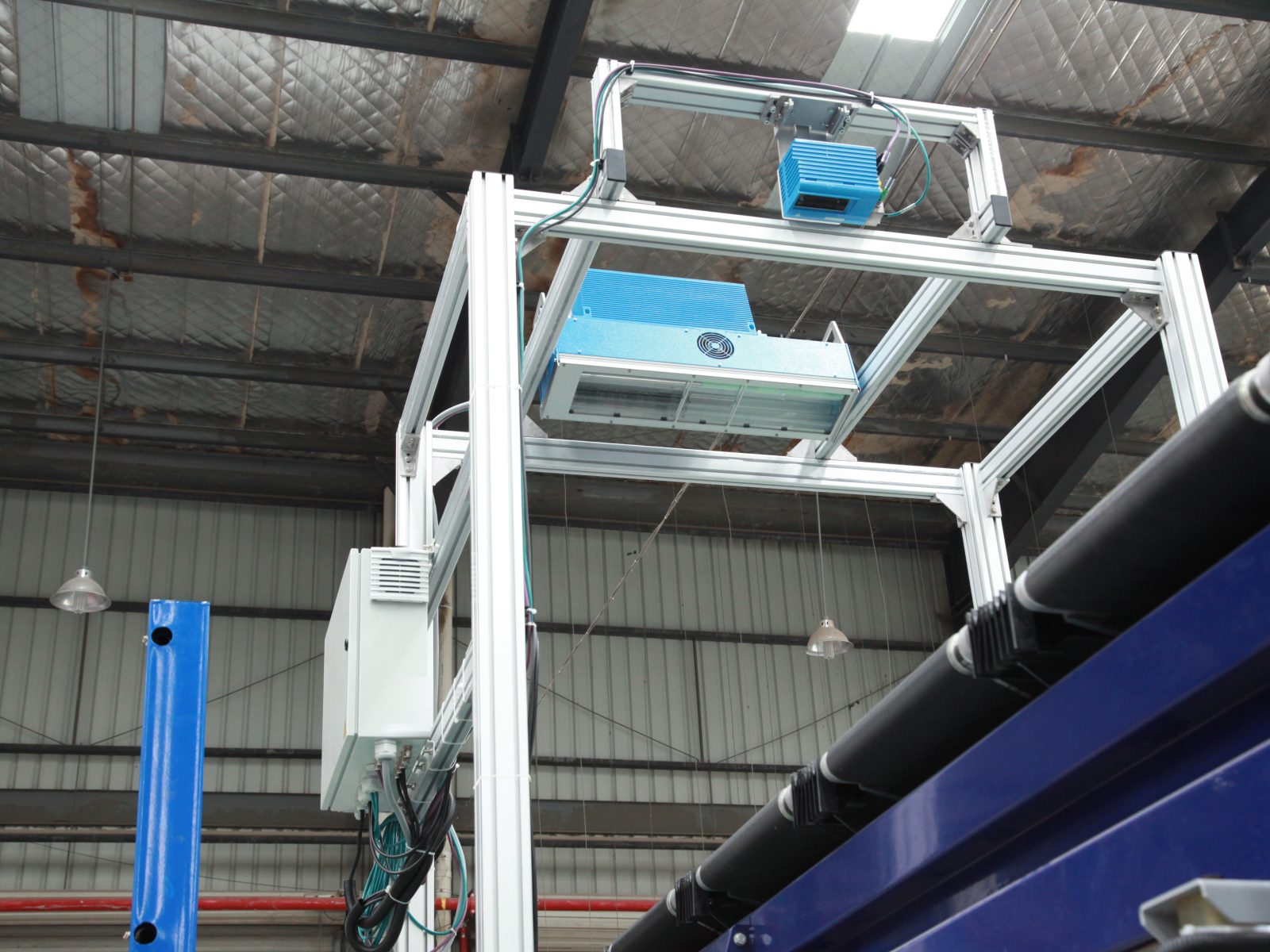
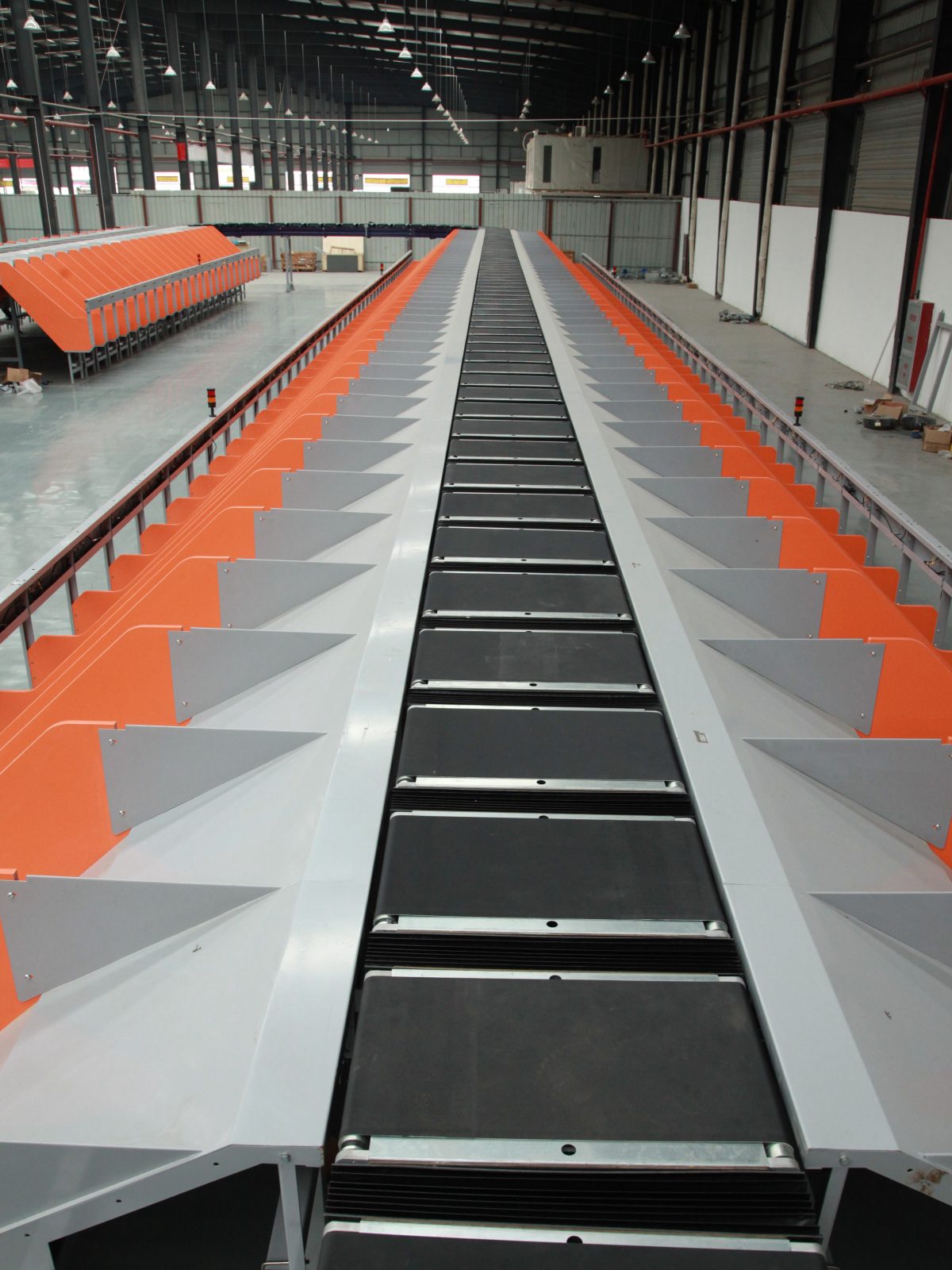
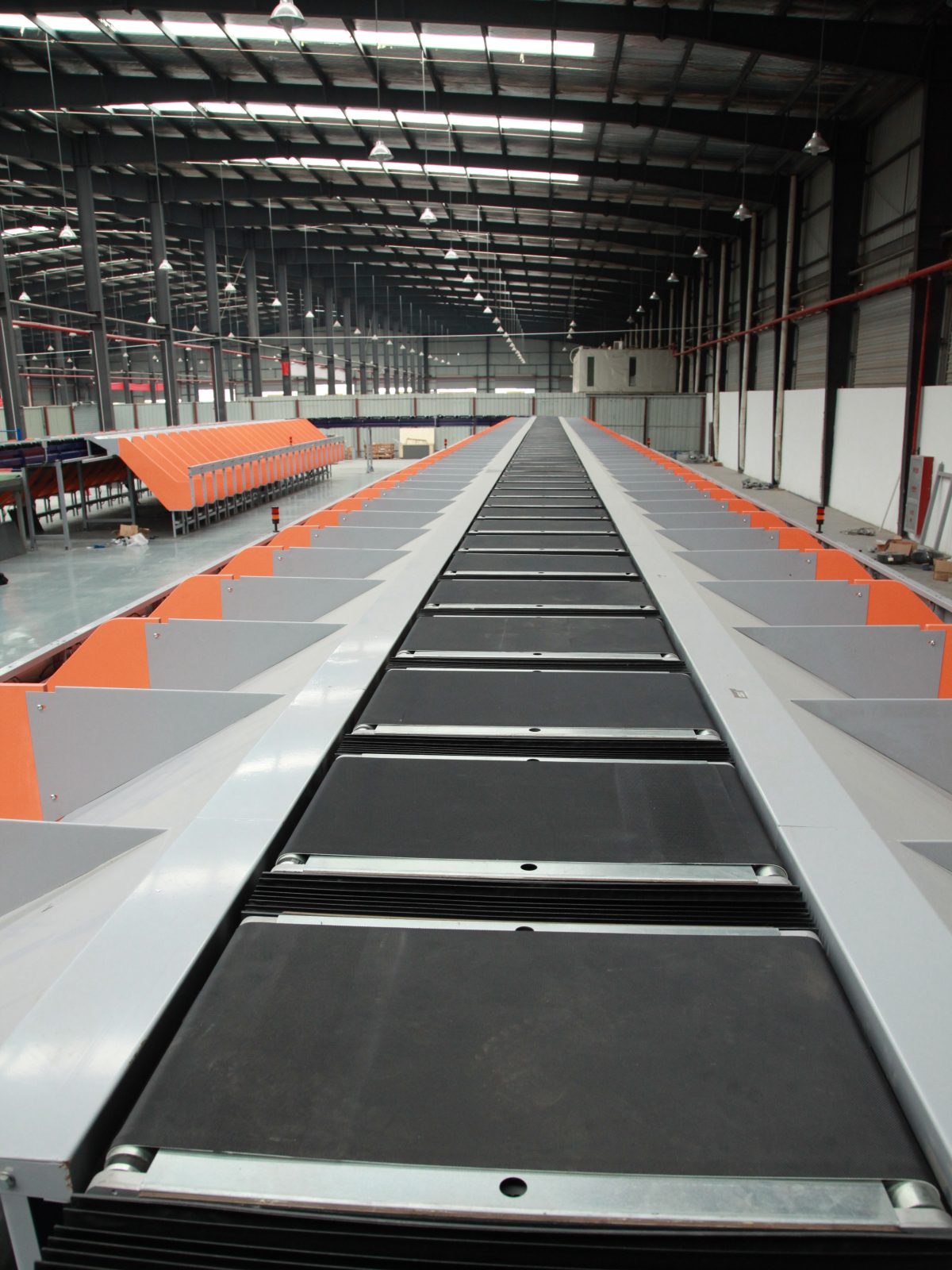
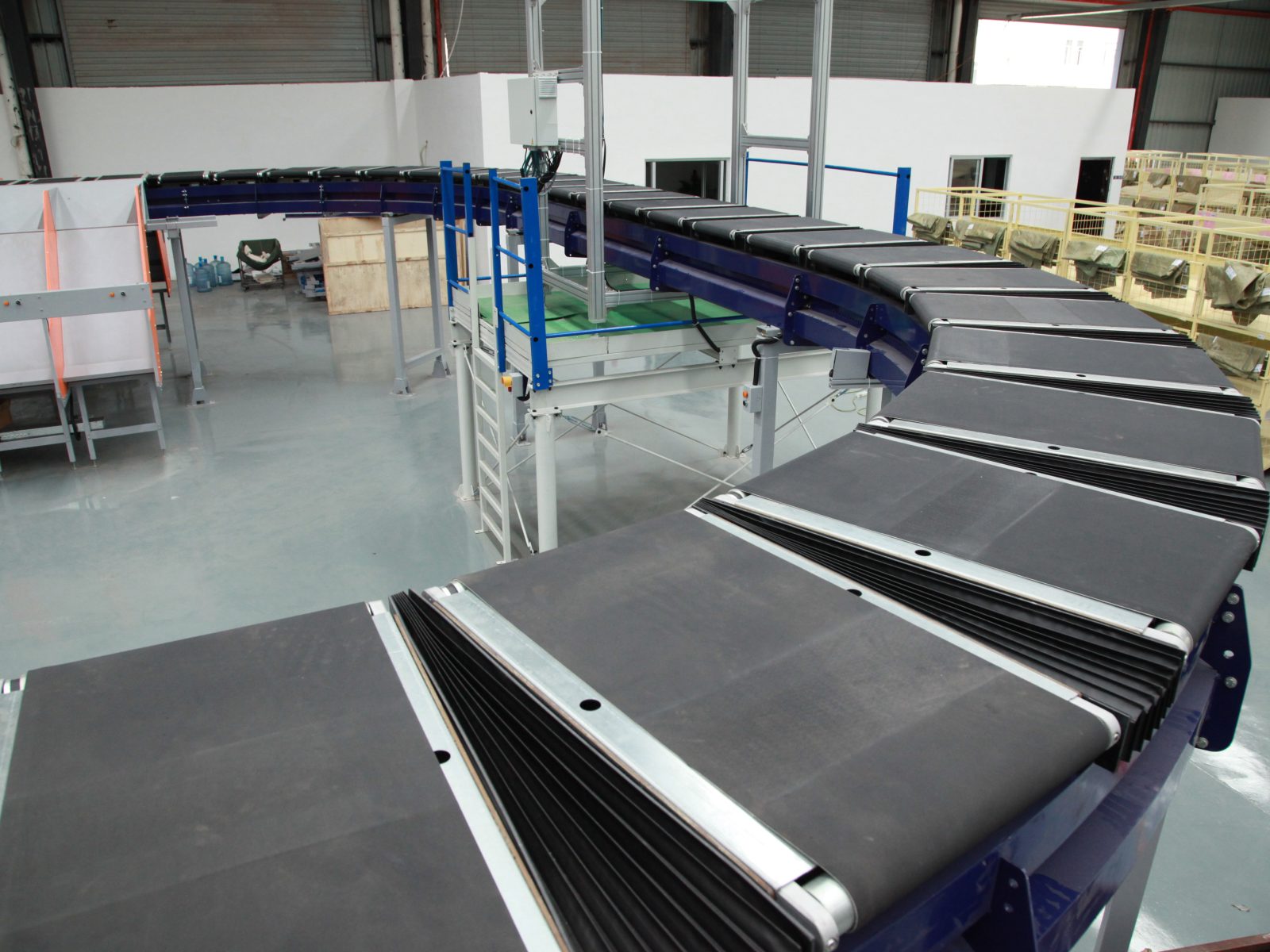
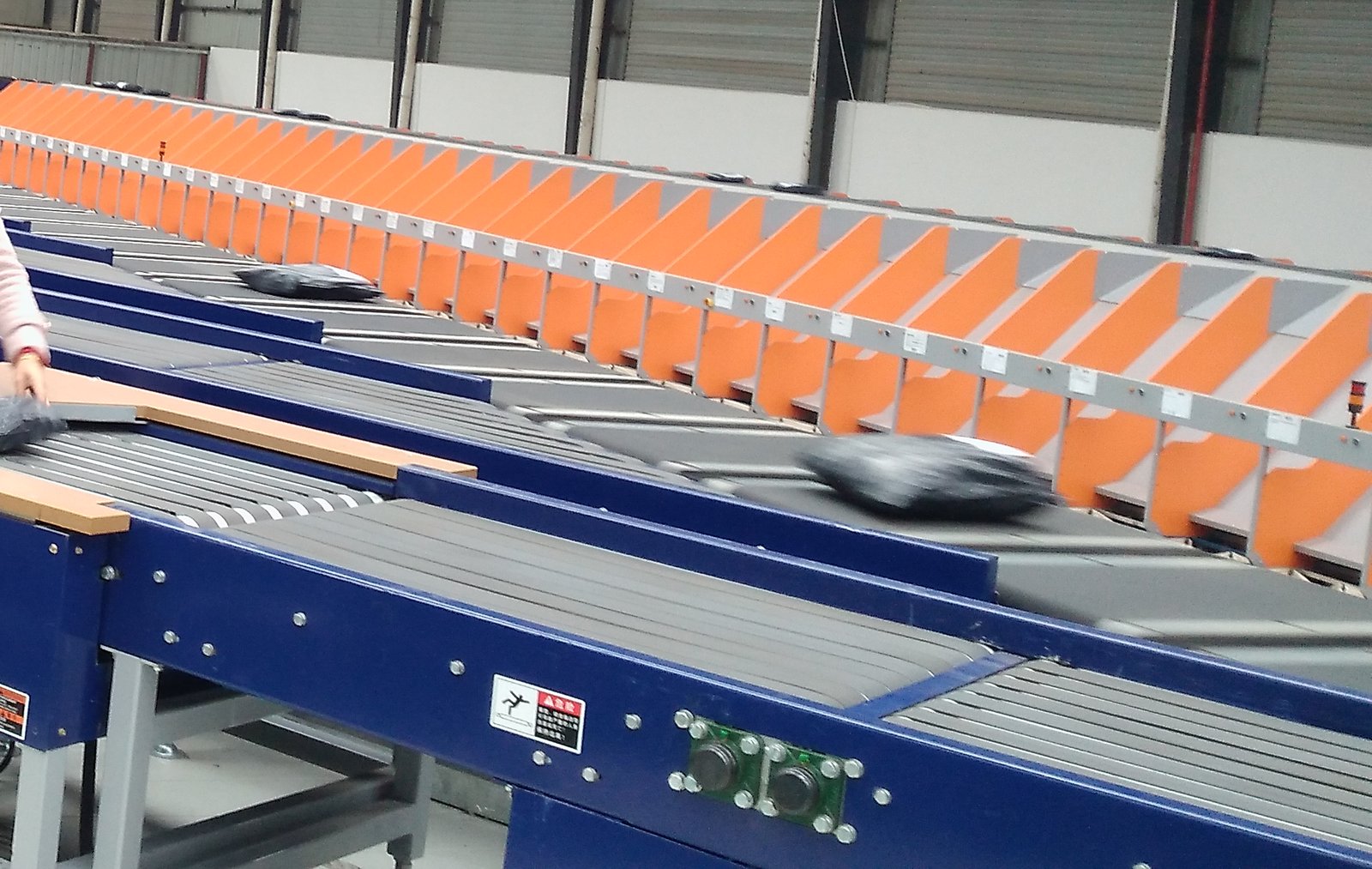
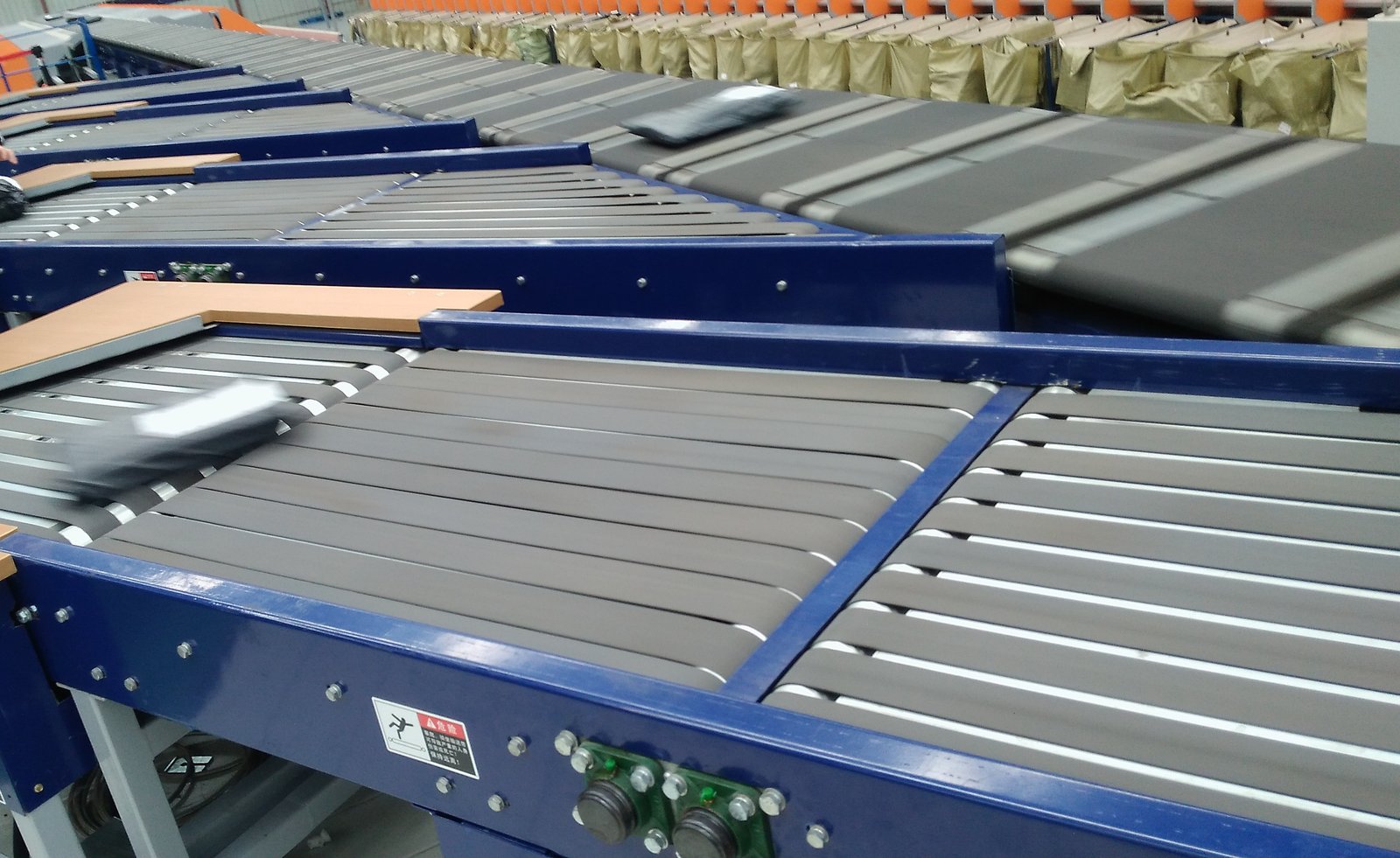
- Parcel hub of an express carrier: a loop cross-belt sorter. Team members followed it from installation to the first day of operation (photos below).
- Records centre of a bank: about 290 medium-duty shelving units over several floors.
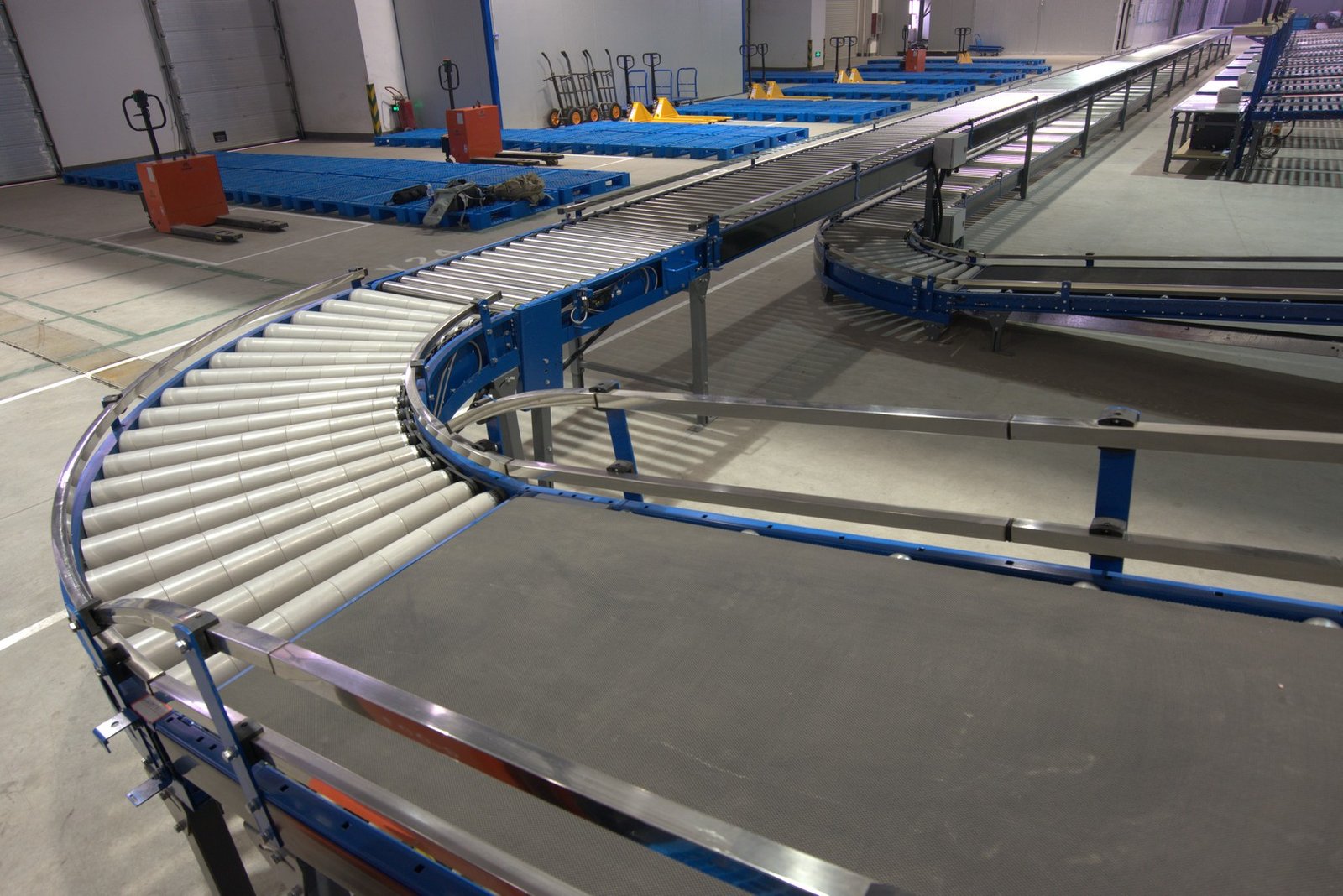
- Pharmaceutical distribution centre: case conveying and sorting lines feeding the pallet lanes (photos below).
- E-commerce distribution centre: a loop cross-belt sorter with about 100 chutes.
- Food plant: a tray AS/RS with about 13,000 tray locations, triple-deep stacker cranes and robots that tip the trays, about 1,350 trays/h.
- Food plant: a miniload with about 12,000 bin locations at 15 °C, about 360 bins/h.
- AS/RS with about 5,200 locations, 6 curve-going stacker cranes and a loop conveyor.
- AS/RS with about 4,200 locations and 3 double-deep stacker cranes.
- Injection-moulding plant: a bin AS/RS with miniload stacker cranes, in-feed and out-feed conveyors and picking.
- Carton AS/RS: cartons put away into and retrieved from grid racking continuously.
Team members have also prepared AS/RS proposals and bids for traditional Chinese medicine, an oilfield core store, aluminium, corn starch, chemical additives, batteries, farm machinery and pharmaceutical cold storage.
Deliverables the team has produced for multinational clients
Only items the project records confirm:
- Risk assessment: design, fire-protection work running alongside installation, building settlement, equipment failure (lifts that back each other up, a spare AGV), loads tipping over, lifting operations, and the limits of the software requirements and changes in the number of interfaces.
- Stacker crane capacity calculation to FEM 9.851: single and dual cycles, 85% efficiency, double-deep cranes calculated for the rear position.
- Lifting plan: equipment lifted in through openings in the upper floors onto a steel platform built for the purpose, using a mobile crane and hydraulic skates.
- Itemised pricing: where the client did not accept a lump sum, the offer was split into racking, stacker cranes, conveyors, software and hardware, and ancillary equipment, with the controls as a separate item.
- The client's standard configuration sheet, filled in item by item with brand and model.
- Drawings of the openings to be left in floors and walls, handed to the client's design institute.
- Maintenance plan with spare-parts and wear-parts lists (two maintenance levels, with inspection and lubrication schedules for stacker cranes and chain conveyors).
- Supplier qualification documents: non-disclosure agreement, supplier agreement, quality and environmental agreement, anti-bribery agreement, supplier site-assessment form.
- An FMEA meeting before an AGV pilot.
- Software implementation plan: person-days for each phase, from requirements study, architecture, development and interfaces to integration testing, testing and training.
Why we work this way
The habits below come from what team members learned on earlier projects.
Join the requirements discussion early
Arrive only at the tender and someone else has usually shaped the solution already. We would rather check the data with you at the requirements and specification stage.
Ask about the budget before proposing a solution
An offer far above the budget is the most common reason a project stops. We prepare phased, reduced-scope and owner-supplied versions at the same time.
No padding in the first proposal
The main system and the optional equipment are priced separately, so you can see every item and compare prices yourself.
Say plainly when a target is not met
If storage capacity or throughput falls short of the requirement, we write down by how much and how to close the gap, so you do not find out at acceptance.
Include the manual stations in the capacity
A miniload's throughput depends on the manual picking stations as well as on the equipment, and the bottleneck is often on the people side.
Check the site's hard limits first
Clear height, floor load capacity and the permits for an outdoor steel platform are confirmed before a solution goes out.
Programs, source code and spare parts go into the contract
When key equipment is bought in, the handover of commented source code, the spare-parts list and training is written into the contract, so the equipment can still be maintained after the supplier has left.
Documents are checked line by line before they go out
The person responsible checks the technical figures against your requirements and cleans the templates before anything is sent.
Site photos
Cross-belt sorter at a parcel hub, from empty hall to the first day of operation
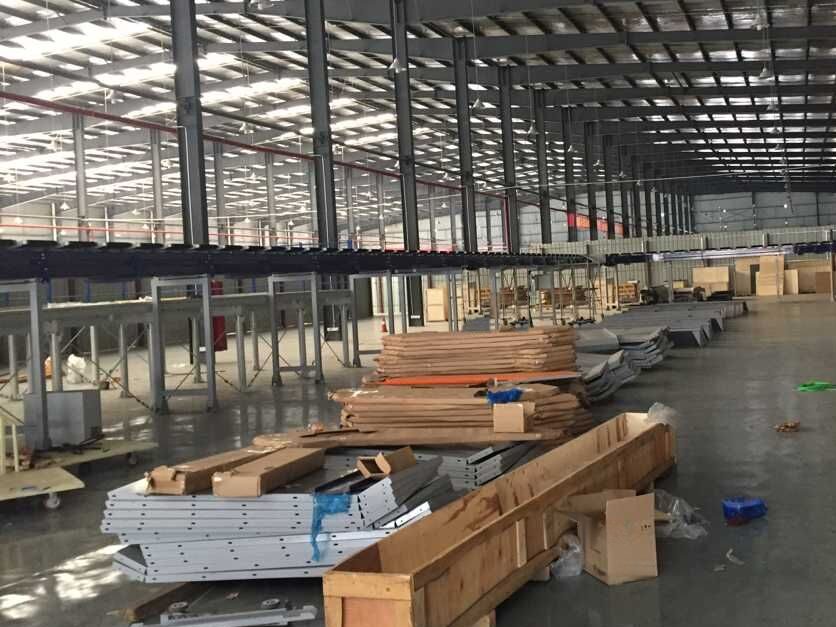
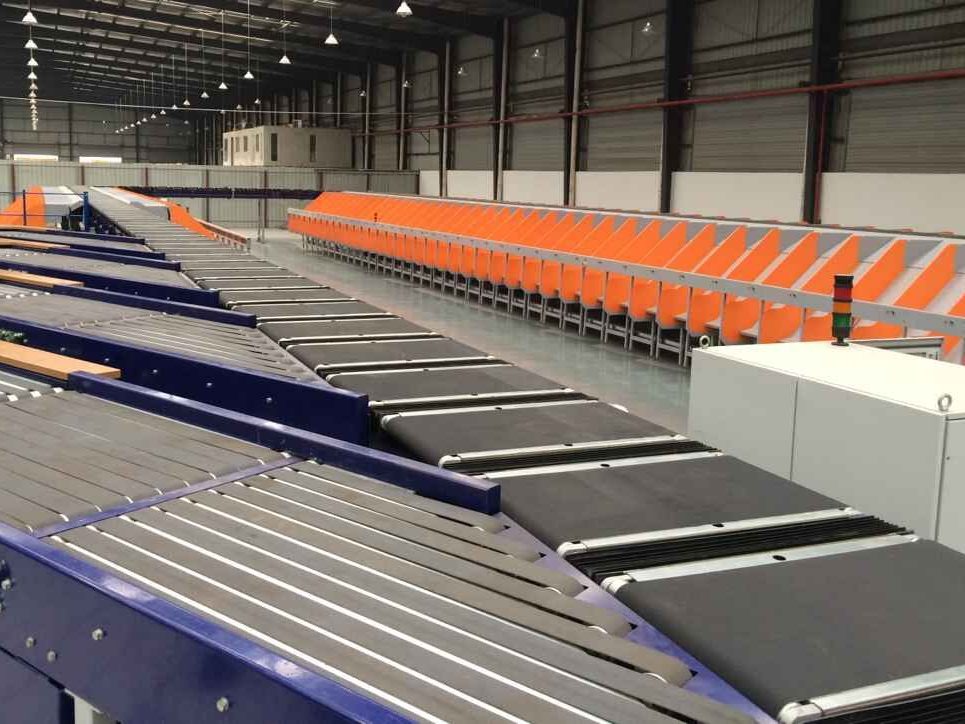
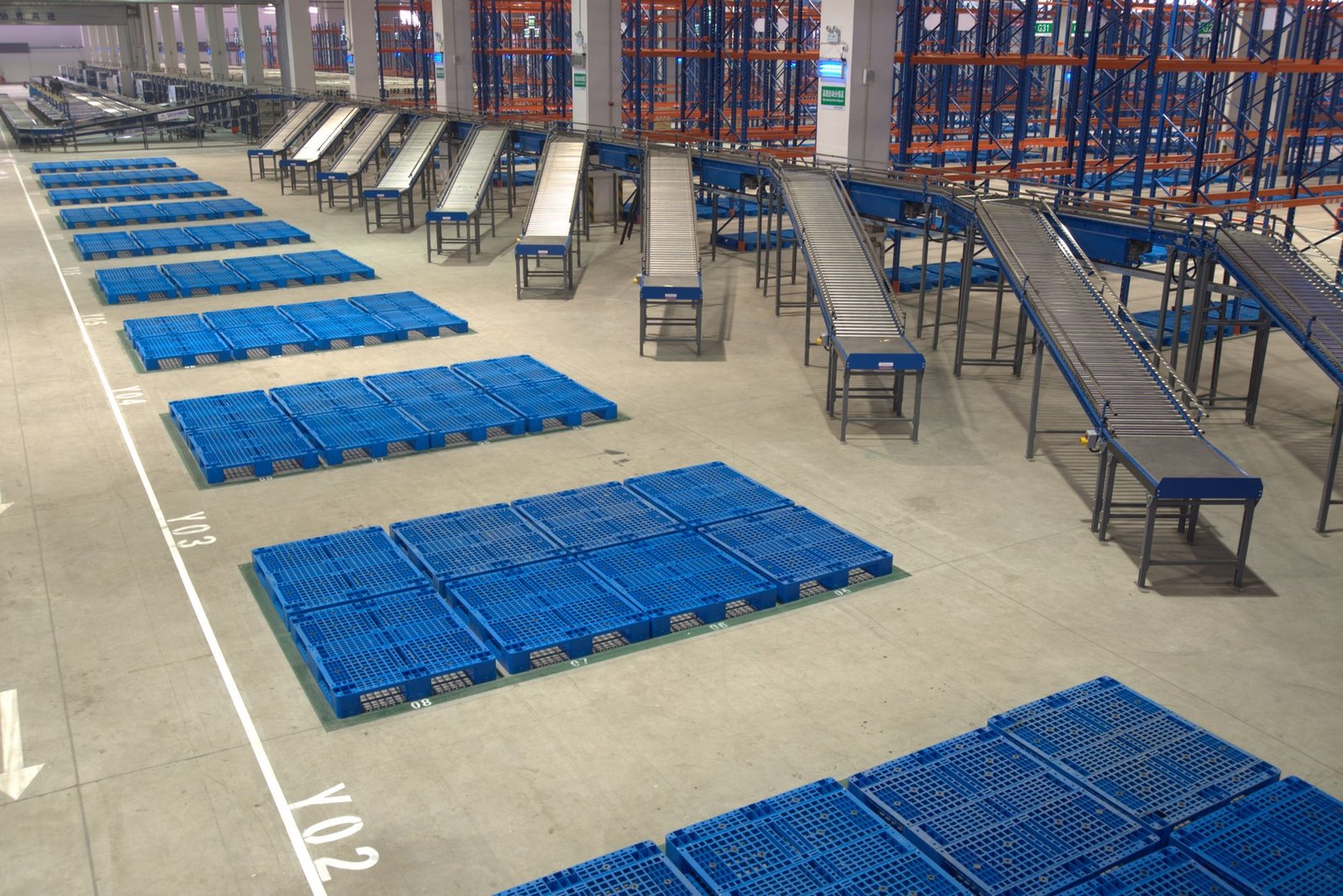
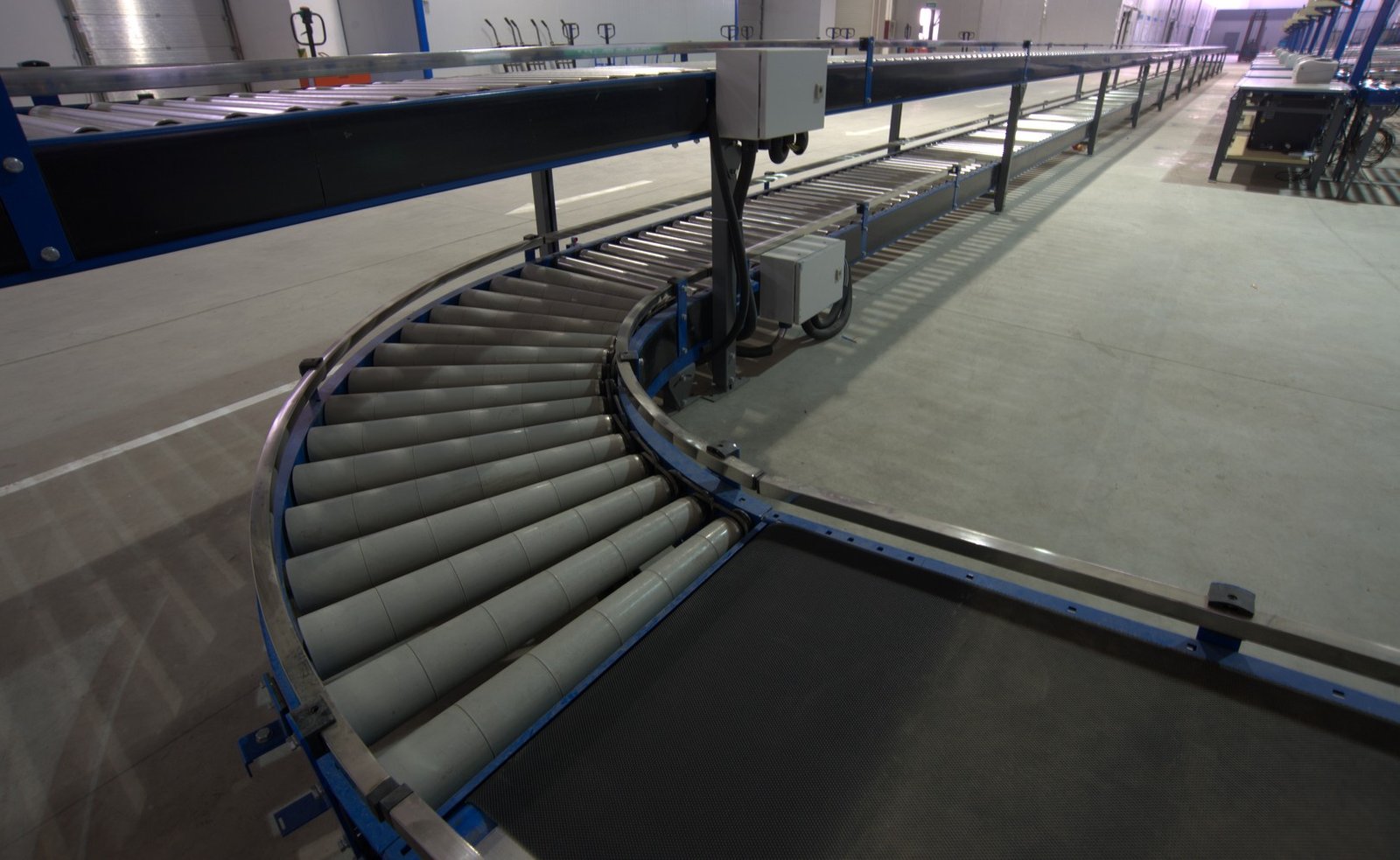
Case conveying and sorting at a pharmaceutical distribution centre, after installation
Other sites
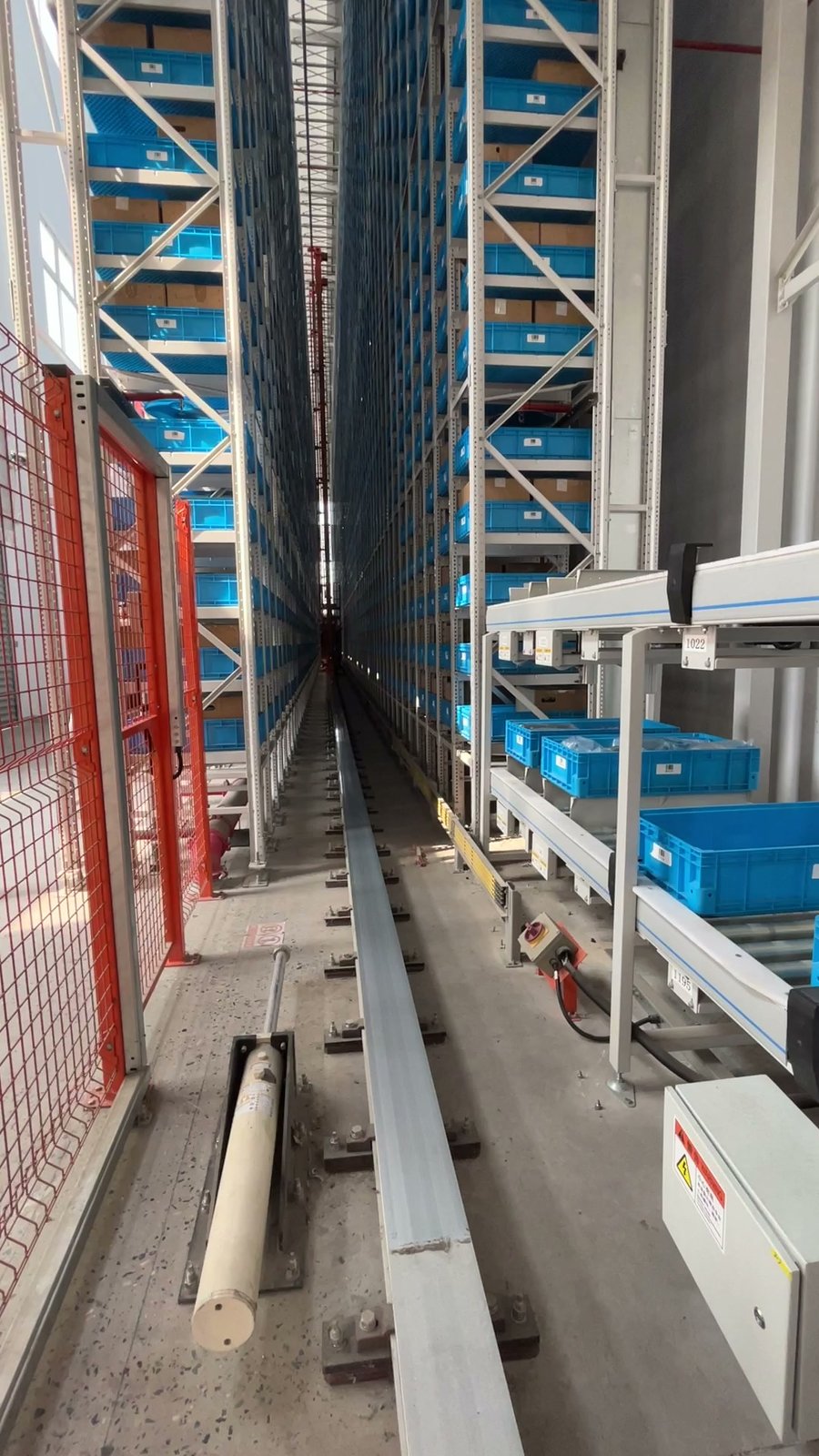
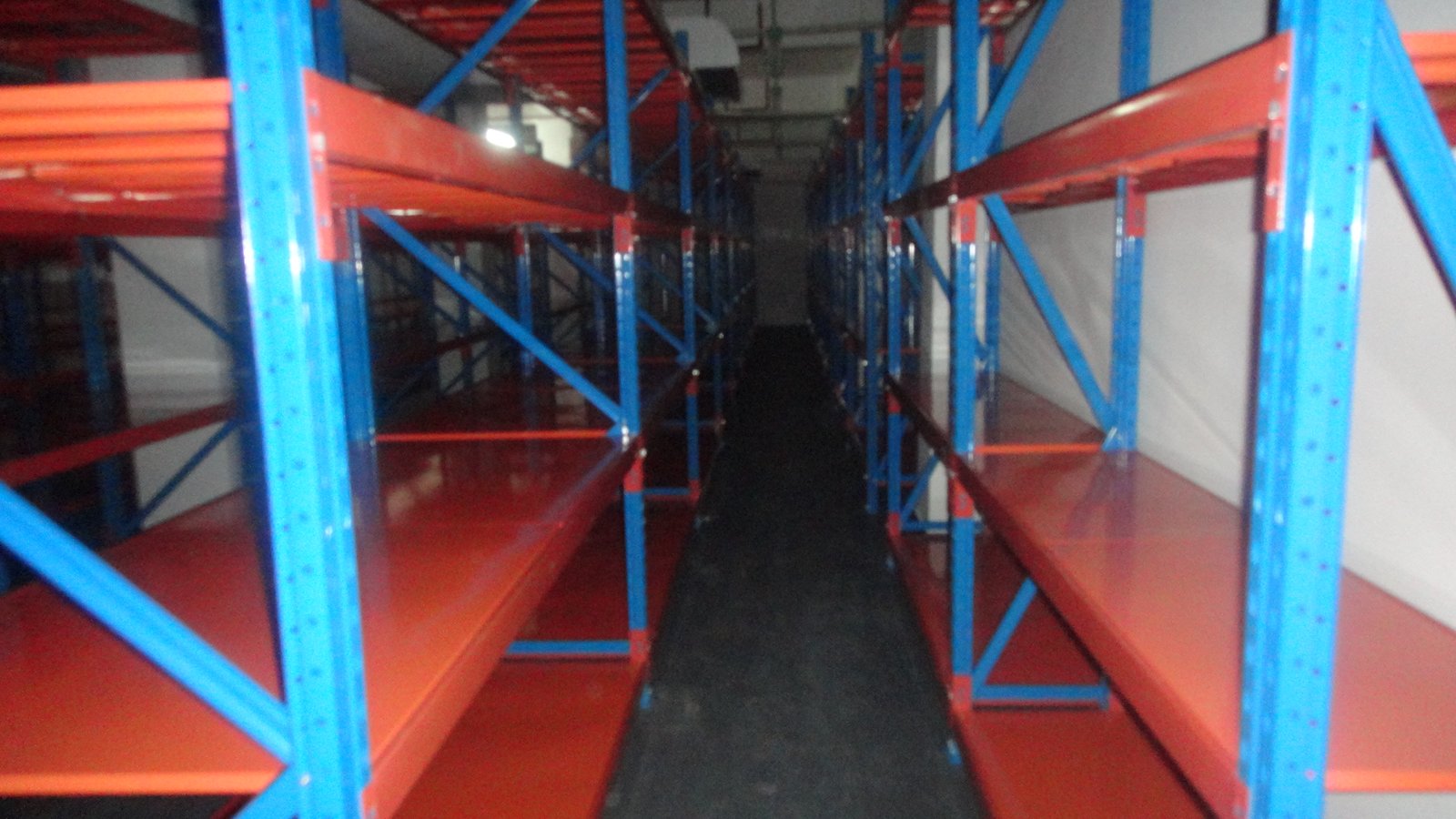
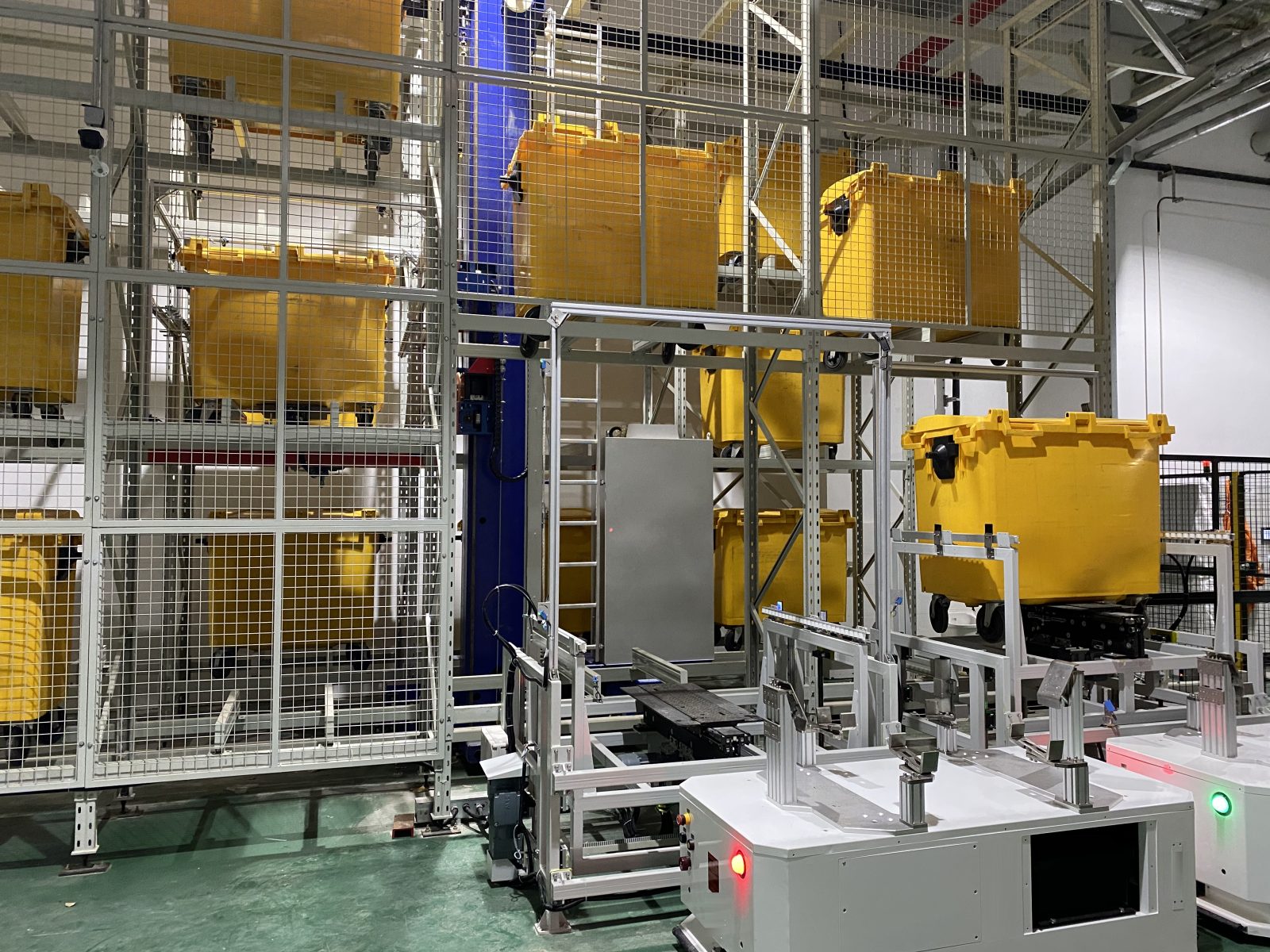
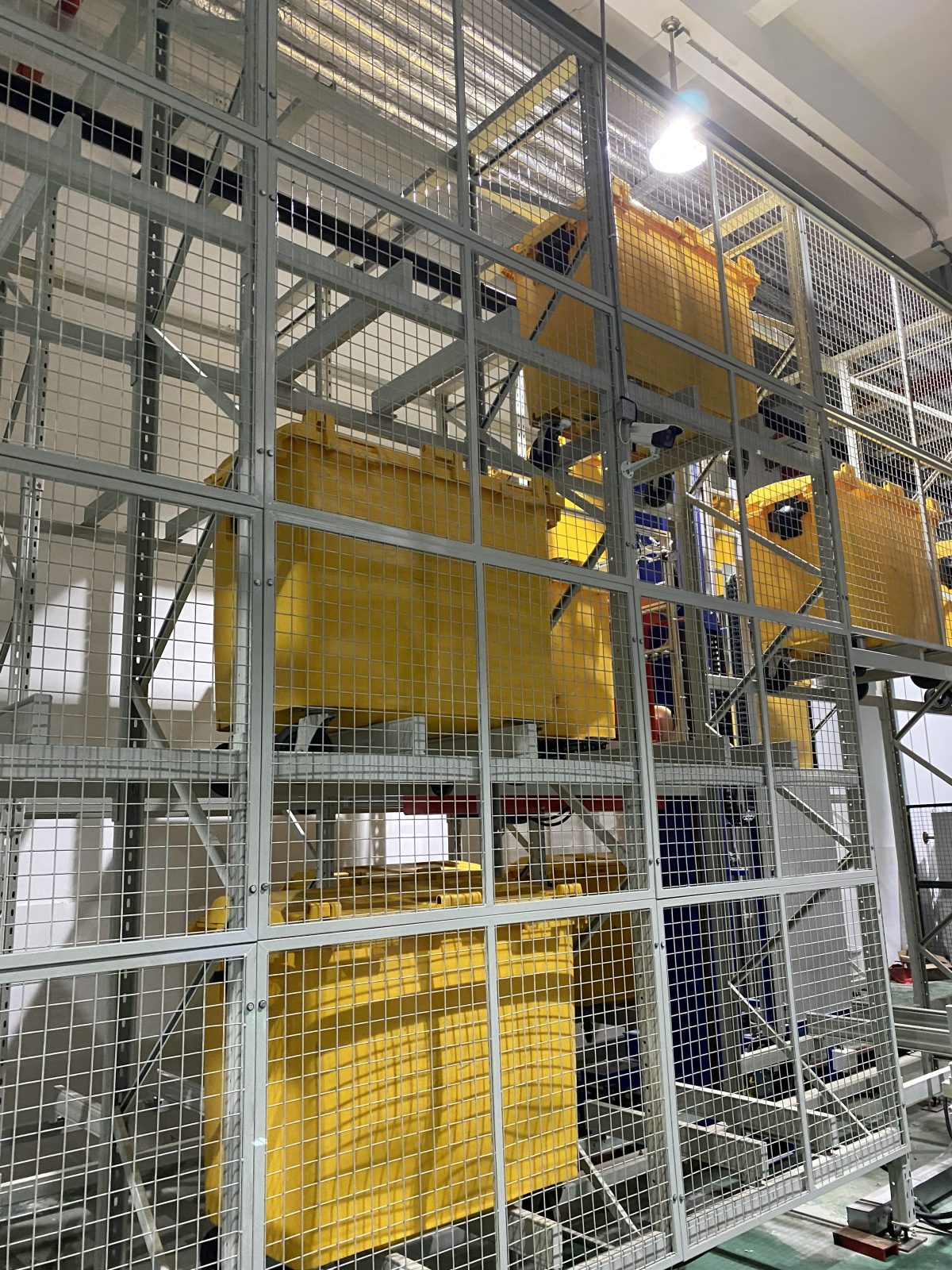
AS/RS for medical-waste bins, in operation
Have a project to discuss?
Send us your layout, what you need to move and your peak hour. Write in any language; we reply in the same language.